Curved edges
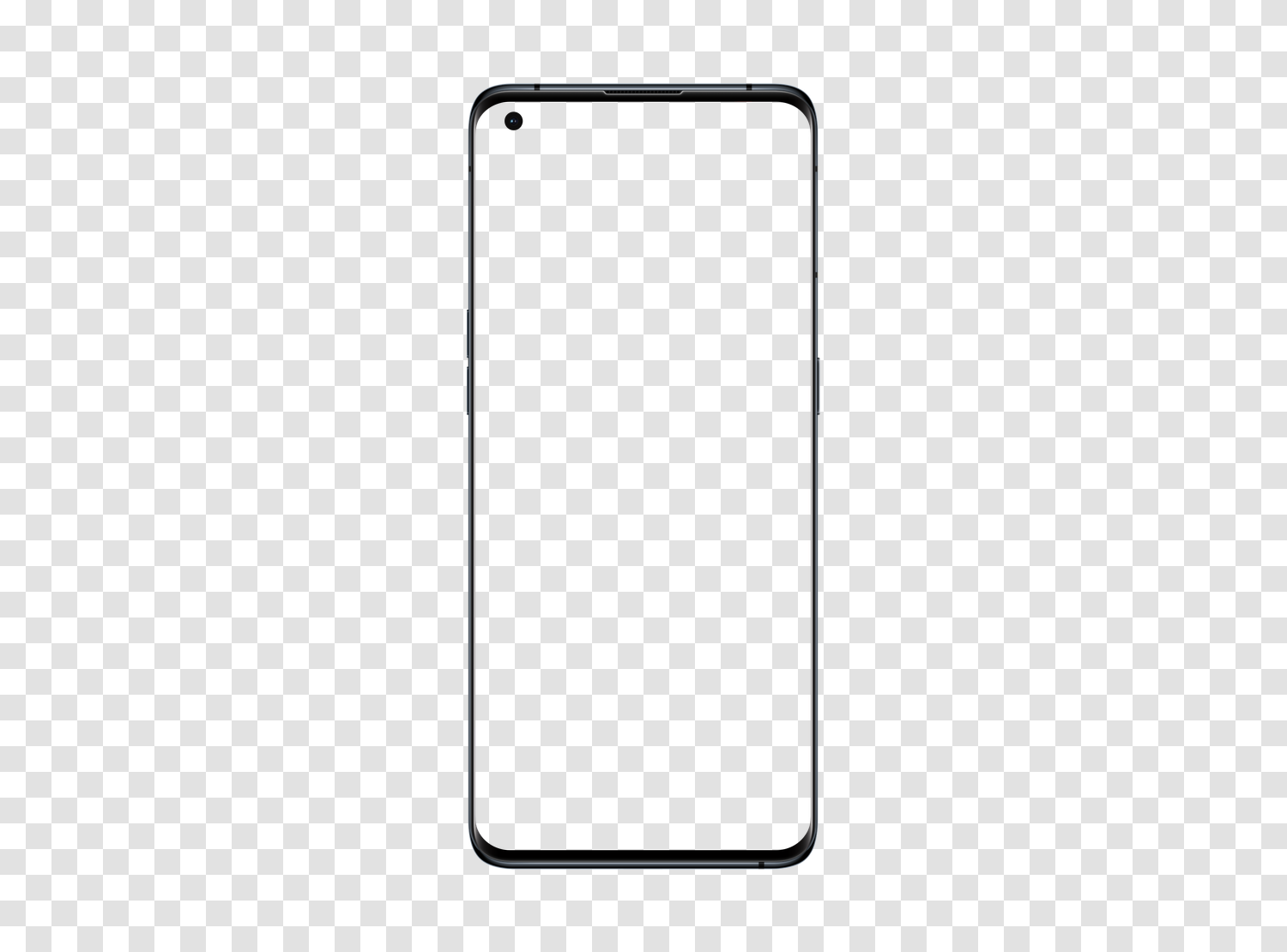
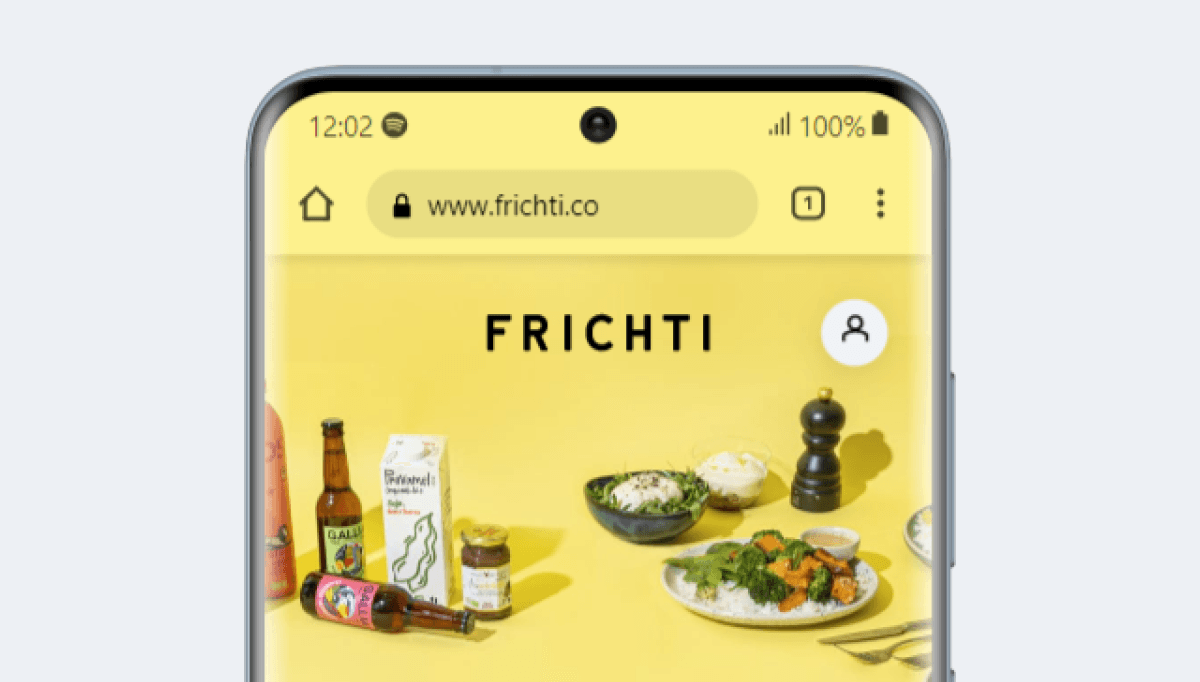
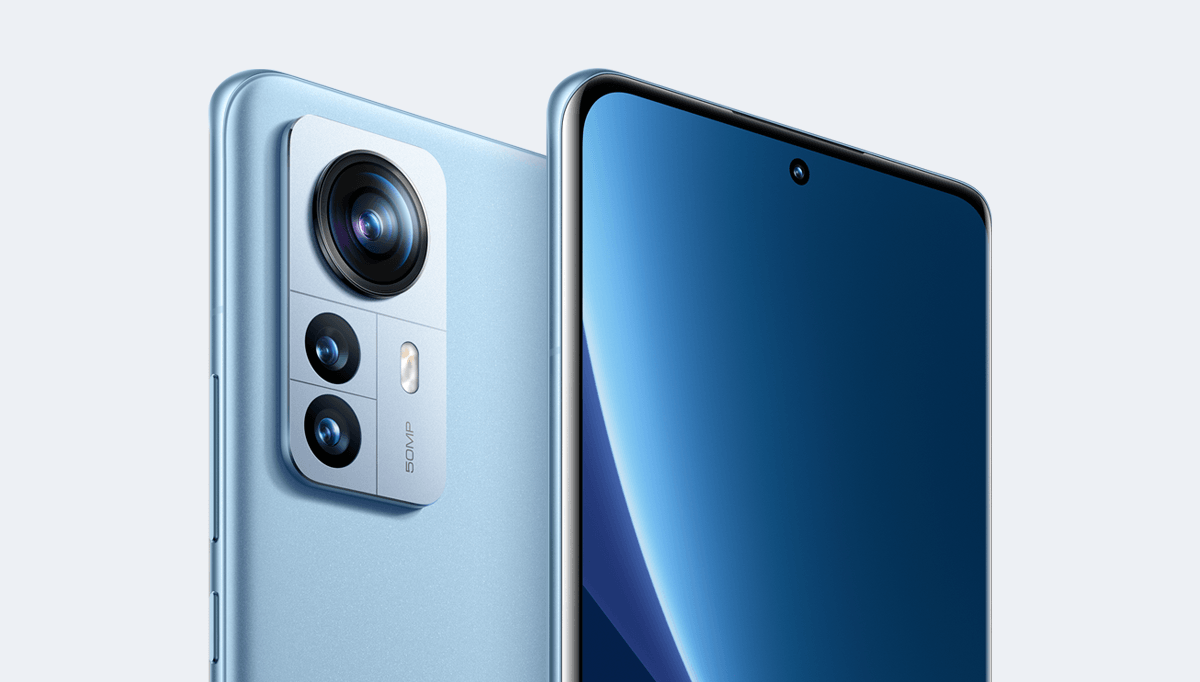
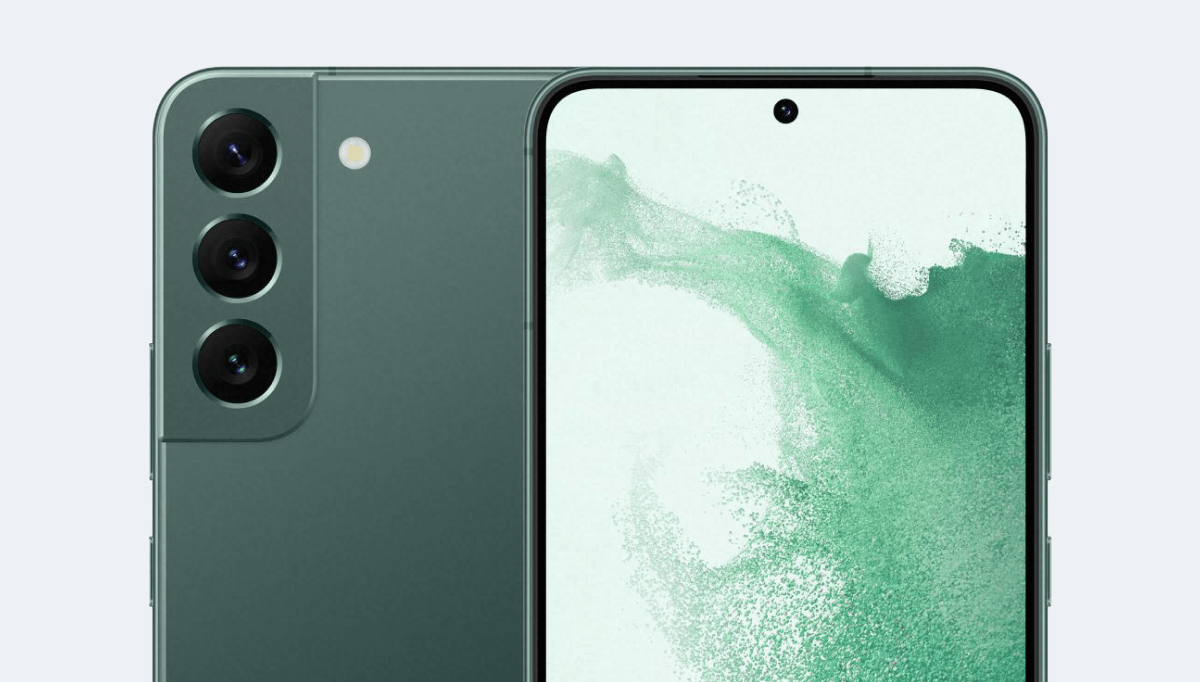
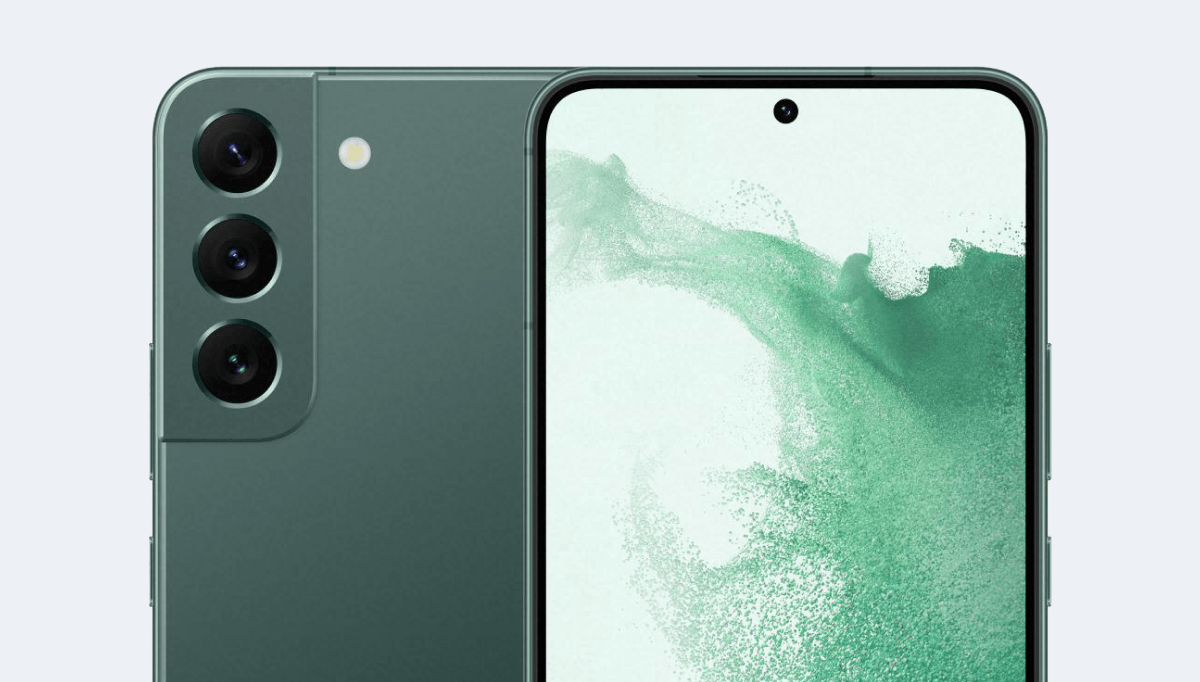
The screen of OPPO Find X3 PRO is curved on the sides. Content stuck to the edge is visually distorted, and the touch areas of the first pixels become difficult to reach.
OPPO · Android 16.0 · Smartphone · 2021
All display characteristics of OPPO Find X3 PRO, smartphone OPPO from 2021: CSS viewport of 360 x 804 pixels, 4x density, media queries, and one-click responsive test.
Test your site on OPPO Find X3 PRO directly in your browser, without buying the device.
4.9/5 based on 5,100 reviews · 1,500,000 users · free
The screen of OPPO Find X3 PRO is curved on the sides. Content stuck to the edge is visually distorted, and the touch areas of the first pixels become difficult to reach.
With only 360 pixels wide, OPPO Find X3 PRO is among the most restrictive formats. This is where tables overflow, titles break poorly, and buttons become too small.
Each CSS pixel of OPPO Find X3 PRO is rendered by 4 physical pixels. Any image, icon, or font provided in simple resolution appears immediately blurry.
This is the resolution that interests designers and developers the most, as it determines breakpoints and the definition of media queries. In practice, it's the only one mentioned in a stylesheet.
The height remains indicative: Safari, Chrome, and other mobile browsers reduce the visible area with their address bar, which folds on scroll.
Be cautious when analyzing your statistics: some tools only report the manufacturer resolution, never the CSS viewport presented here.
4
The device pixel ratio of OPPO Find X3 PRO is 4.
In other words, a 1-pixel square in CSS occupies 4 pixels on the panel. An image exported at actual size will appear blurry.
This resolution is the hardware's. It explains the display's sharpness, but it's never the one to target in a media query.
526 pixels per inch (ppi) · 6.7 inches diagonal, or 17 cm
This string is what the browser of OPPO Find X3 PRO sends. It is useful for your automated tests, reading your server logs, and server-side detection.
User-Agent string used by OPPO Find X3 PRO, useful for your automated tests and logs.
Mozilla/5.0 (Linux; Android 16; CPH2173) AppleWebKit/537.36 (KHTML, like Gecko) Chrome/131.0.6778.260 Mobile Safari/537.36These snippets are generated from the exact characteristics of OPPO Find X3 PRO. Copy them directly into your stylesheet or configuration.
Targets screens whose width matches that of OPPO Find X3 PRO and models of the same format.
@media only screen and (min-width: 360px) and (max-width: 803px) {
  /* OPPO Find X3 PRO */
}Serves high-resolution images to screens of at least 4x.
@media only screen and (-webkit-min-device-pixel-ratio: 4),
       only screen and (min-resolution: 384dpi) {
  /* High-density images and icons */
}Adds a named breakpoint at the exact width of OPPO Find X3 PRO.
// tailwind.config.js
module.exports = {
  theme: {
    screens: {
      'oppo-find-x3-pro': '360px'
    }
  }
}Detects format and density client-side.
const isDeviceWidth = window.matchMedia('(min-width: 360px)').matches;
const isHighDensity = window.devicePixelRatio >= 4;Essential for OPPO Find X3 PRO to use its CSS viewport and not a simulated width of 980 pixels.
<meta name="viewport" content="width=device-width, initial-scale=1">Mobile FIRST includes OPPO Find X3 PRO: your page displays in a viewport of 360 x 804 pixels, with the model's User-Agent, touch events, and scrolling behavior of a real mobile.
This is where the difference with Chrome DevTools' responsive mode is seen: DevTools resizes a window, the extension replicates the device's browser and allows exporting shareable screenshots and videos.
The neighboring formats of OPPO Find X3 PRO are the ones to test right after, as they reveal poorly placed breakpoints.
| Model | CSS Viewport | Pixel density | Manufacturer resolution |
|---|---|---|---|
| OPPO Find X3 PRO | 360 x 804 | 4x | 1440 x 3216 |
| Samsung Galaxy S22 ULTRA | 360 x 772 | 4x | 1440 x 3088 |
| Google Pixel 6 PRO | 360 x 780 | 4x | 1440 x 3120 |
| Samsung Galaxy S21 Ultra | 360 x 800 | 4x | 1440 x 3200 |
| Samsung Galaxy A12 | 360 x 800 | 2x | 720 x 1600 |
| Samsung Galaxy S21 | 360 x 800 | 3x | 1080 x 2400 |
| Xiaomi Mi 11i | 360 x 800 | 3x | 1080 x 2400 |
The CSS viewport of OPPO Find X3 PRO measures 360 pixels wide and 804 pixels high. This is the width to use for defining your media queries, not the manufacturer's resolution.
The device pixel ratio of OPPO Find X3 PRO is 4. Each CSS pixel is thus displayed by 4 physical pixels, requiring you to provide your images in 4x to keep them sharp.
The panel of OPPO Find X3 PRO displays 1440 x 3216 physical pixels. This is the value reported by most analytics tools, while your CSS works on a viewport of 360 x 804 pixels.
The User-Agent of OPPO Find X3 PRO is: Mozilla/5.0 (Linux; Android 16; CPH2173) AppleWebKit/537.36 (KHTML, like Gecko) Chrome/131.0.6778.260 Mobile Safari/537.36
Install the Mobile FIRST extension on Chrome, Firefox, or Edge, then select OPPO Find X3 PRO. Your page displays in a viewport of 360 x 804 pixels with the corresponding mobile User-Agent, in two clicks and for free.
DevTools resizes the window and applies partial emulation. Mobile FIRST additionally applies the User-Agent of OPPO Find X3 PRO, touch events, scroll behavior, and the actual appearance of the device, and allows capturing directly usable images and videos.
Yes. The extension works on any URL open in your browser, including localhost:3000, 127.0.0.1, or a password-protected pre-production environment.
No. The simulation covers the vast majority of development needs at no cost. A final test on a real device is still recommended before critical production deployment, but it's no longer necessary for each iteration.
A media query on the exact width targets OPPO Find X3 PRO: @media only screen and (min-width: 360px). Combine it with the pixel density to precisely target this model and those sharing its format.
Without buying a single phone, without creating an account.
Free installation in seconds · computer only